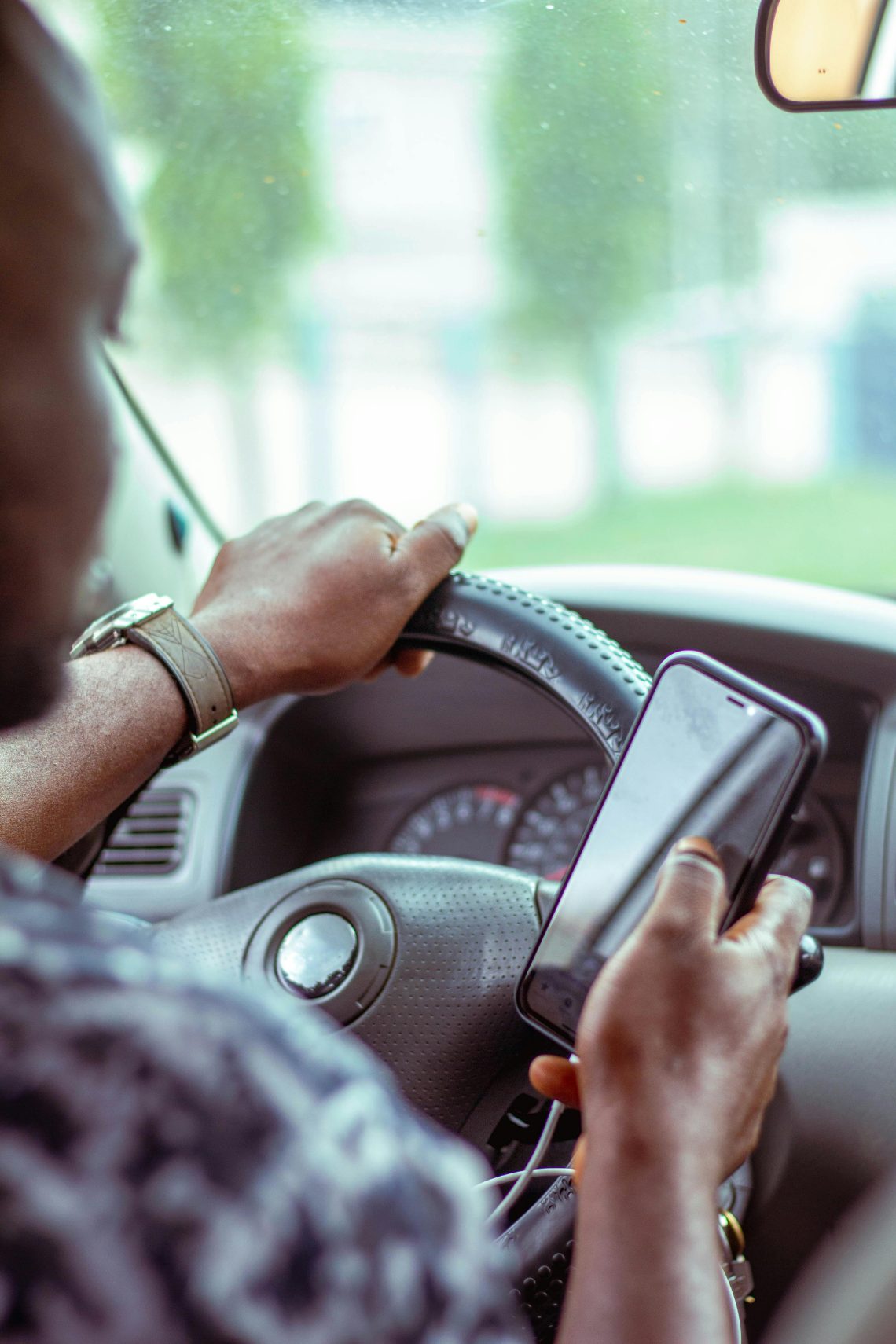
Distracted Driving: How to Avoid It in 2026
April 2026 marks National Distracted Driving Awareness Month—a crucial time to address what’s really happening on our roads. Despite advances in vehicle safety technology, driving feels more dangerous than ever.
Recent data from early 2026 suggests that nearly nine in ten drivers believe phone use behind the wheel has increased over the last year. Despite the presence of high-tech safety nets, the fundamental challenge remains: keeping your eyes on the road and your mind on the task.
Before diving into practical steps, it’s crucial to understand what actions make the difference in combating distraction while driving. Here is how you can master the road and avoid distractions in 2026.
1. Leverage New “Driver Monitoring” Tech
If you’ve purchased a vehicle in the last year or two, you likely have a “co-pilot” you didn’t know about. Systems like Subaru’s DriverFocus or Ford’s BlueCruise now use infrared driver-facing cameras to monitor your eyes. If you look down at a phone or close your eyes for more than a few seconds, the car will chime, vibrate your seat, or even tap the brakes.
- Tip: Keep these features enabled. Although the alerts may seem bothersome, they serve as important reminders to maintain attention and prevent mental lapses during extended drives.
2. The “Decision Point” Shift
Behavioral experts in 2026 emphasize Decision Point Shifting. This means making the choice to be safe before you start the engine, rather than relying on willpower once you’re moving.
- The Glove Box Rule: Secure your phone in the glove box or center console lockbox. This practice is more effective than relying solely on the intention not to use your device while driving.
- Digital Valets: Use the latest iterations of iOS Do Not Disturb or Android Drive Mode. These systems now automatically send auto-replies to contacts, letting them know you’re driving and will respond when you arrive.
3. Beware the “Infotainment” Trap
Modern cars now feature massive, tablet-like touchscreens. While they look sleek, research shows that performing a complex task on a touchscreen—like searching for a specific playlist—can take up to 40 seconds of “eyes-off-road” time. At 55 mph, that is equivalent to driving blind for the length of several football fields.
Pro Tip: Set your GPS, climate, and music settings before driving. If adjustments are needed en route, ask a passenger to assist as your co-pilot.
4. Understand the Cognitive Lag
A common myth in 2026 is that “hands-free is risk-free.” While using voice-to-text systems (like Siri or Google Assistant) is better than holding a phone, it still creates cognitive distraction. Your brain experiences a “lag” when switching from a complex digital conversation back to reacting to a sudden brake light.
Why It Matters for Your Insurance
From an insurance perspective, understanding how your driving behavior is tracked in 2026 is essential. Many policies now use telematics—apps or plug-in devices—that record actions such as phone use, hard braking, and rapid acceleration, giving insurers detailed insight into your driving habits.
If telematics data shows frequent phone handling or hard braking—which can be caused by distraction—your insurance premiums may increase significantly. On the other hand, consistently attentive driving can help you qualify for sizable Safe Driver discounts, as insurers reward those with low-risk behaviors documented by telematics.
In 2026, technology assists us, but does not replace attentive driving. Store your phone, rely on sensors appropriately, and keep your attention on the road.
Get a car insurance quote today! Contact the Howard Steele Agency by calling us at (541) 318-8835 or click here to connect with us online.


You May Also Like