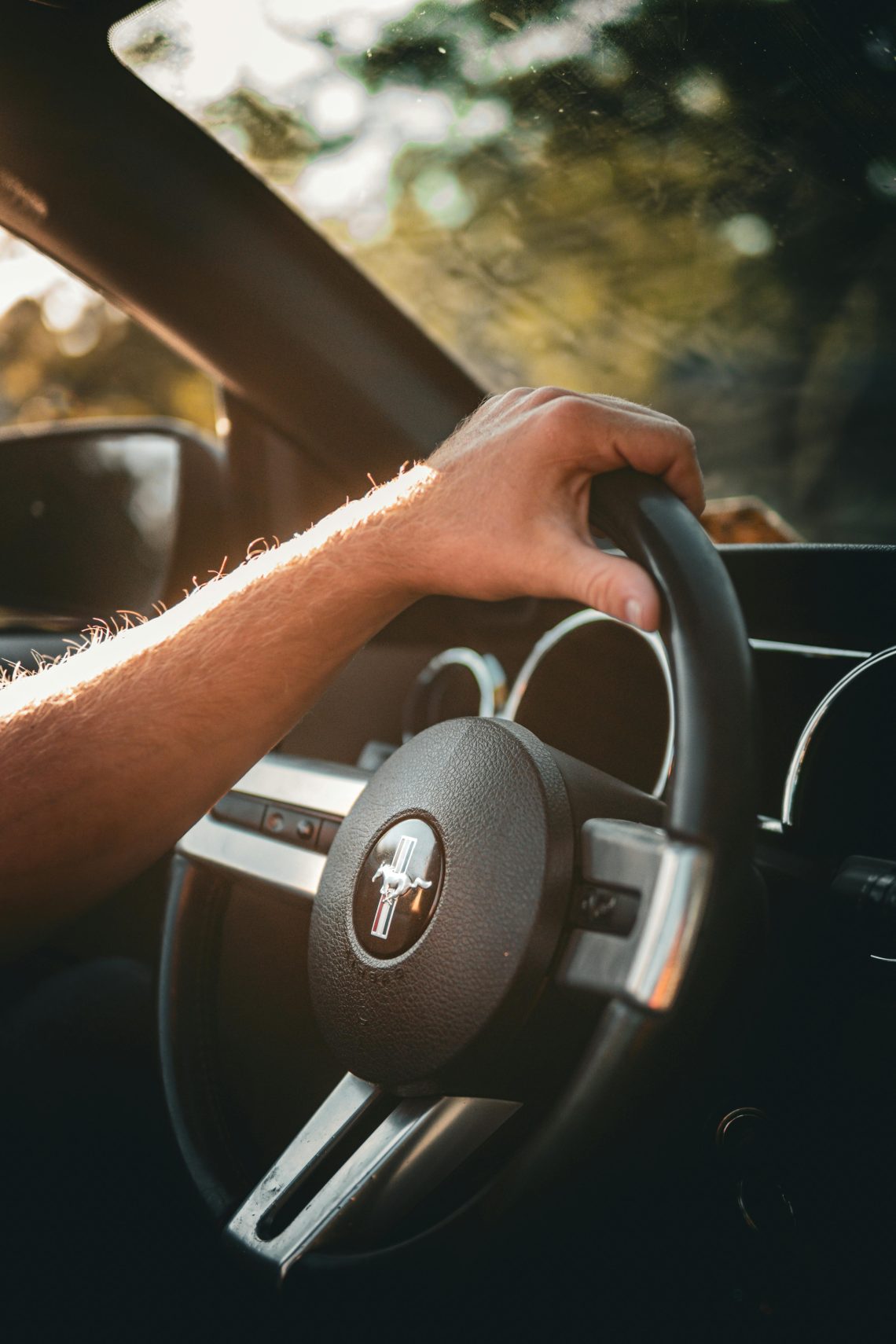
Navigating the High Desert: A Guide to Driving Safely in Central Oregon
Central Oregon boasts breathtaking beauty, from the Cascades to the sagebrush High Desert. Yet, these features also challenge drivers. Whether you commute between Bend and Redmond or visit the Cascade Lakes Highway, understanding local road hazards is essential for your safety—and keeping insurance premiums in check.
Before you set out, it’s important to be aware of the specific risks. Let’s explore the main road conditions and weather hazards you should expect in Central Oregon.
The “Big Three” Hazards
In Central Oregon, road safety isn’t just about following the speed limit; it’s about anticipating three major factors: wildlife, weather, and terrain.
1. Wildlife on the Move
Oregon drivers face a 1 in 180 chance of hitting wildlife, especially in Central Oregon. Mule deer and elk pose the greatest danger in this area, making it a high-risk zone for animal-vehicle collisions.
- The Danger Zones: Highway 20 between Bend and Suttle Lake and Highway 97 are hotspots for animal crossings.
- Be alert at dawn and dusk when animals are active. If you see a deer, expect more nearby. Do not swerve hard; this can cause rollovers or collisions.
2. The Unpredictability of “Black Ice.”
The high-desert climate brings large day-night temperature shifts. Even if roads appear dry in sunlight, moisture can freeze quickly into unseen “black ice” as temperatures drop, catching drivers off guard.
- The Danger Zones: Bridge decks and shaded Oregon canyons (like those along the Deschutes River) freeze first.
- Turn off cruise control near freezing temps. If you lose traction, cruise control can cause you to spin before you react.
3. Mountain Passes and Sudden Storms
Crossing the Cascades—on Santiam, Willamette, or Mt. Bachelor—can mean rapid weather changes. A clear day in Bend may become a summit snowstorm, making roads suddenly hazardous and reducing visibility.
- The Law: Carry chains or have traction tires (indicated by the mountain/snowflake symbol) from November through April.
- Check TripCheck.com for current camera feeds and road conditions before leaving. It’s more accurate than weather apps.
Pro-Tips for the High Desert Driver
- Increase Your Following Distance: On dry pavement, use the ‘three-second rule.’ On icy or wet Central Oregon roads, double that distance. Stopping takes longer on volcanic cinders or packed snow.
- 4WD helps you move, not stop. It won’t shorten your stopping distance on ice.
- Carry a blanket, water, flashlight, and scraper. If stranded, stay with your vehicle.
By staying alert and respecting the unique environment of the High Desert, you can enjoy all the beauty Central Oregon has to offer while staying safe on the road. Remember, a little preparation goes a long way in preventing an accident and keeping your driving record clean!
Get an insurance quote today by calling us at (541) 318-8835 or click here to connect with us online.


You May Also Like

Navigating Central Oregon Car Insurance: A Guide for Bend Residents

Navigating Car Insurance in Oregon: What You Need to Know