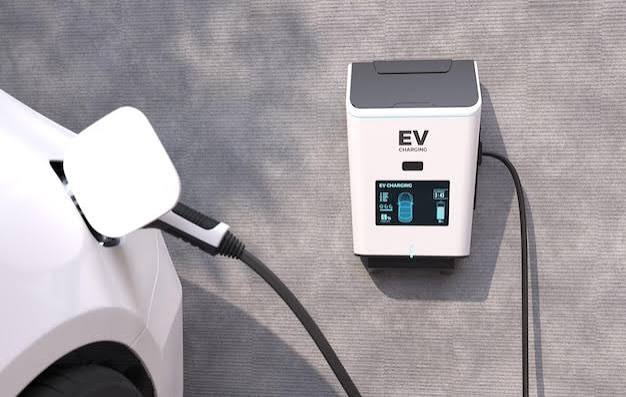
What to Consider Before Installing a Home EV Charger
Bringing home an electric vehicle is an exciting step toward cleaner, quieter, and more efficient driving. While plugging into a standard wall outlet (Level 1 charging) works in a pinch, most EV owners quickly realize that installing a dedicated Level 2 home charger is essential for waking up to a full battery every morning.
Before you purchase equipment or hire a contractor, here is what you need to consider to make the installation smooth, safe, and cost-effective.
1. Your Home’s Electrical Panel Capacity
A Level 2 charger requires a dedicated 240-volt circuit—similar to what runs a clothes dryer or central AC—typically drawing 32 to 50 amps.
-
Current Service Size: Homes with modern 200-amp electrical panels can generally accommodate an Oregon EV charger without major overhauls. However, older homes with 100-amp service may require a panel upgrade to prevent overloaded circuits.
-
Physical Panel Space: You need room in your breaker box for a double-pole circuit breaker. If your panel is completely full, an electrician may recommend tandem breakers, a sub-panel, or a service upgrade.
2. Charger Placement and Cable Reach
Think carefully about where you park daily.
-
Port Location: EV charging ports aren’t universal—some vehicles have them at the front left, others at the rear right.
-
Cable Management: Most home charging cords are 18 to 25 feet long. Install the unit close enough to your vehicle so the cord rests flat on the floor without creating a tripping hazard or stretching taut across the garage.
-
Indoor vs. Outdoor: If you must park in a driveway or carport, make sure you choose a weatherproof, outdoor-rated unit (NEMA 3R or NEMA 4).
3. Hardwired vs. Plug-In Units
Home chargers generally connect in two ways:
-
Hardwired: Connected directly into your electrical system. They allow higher amperage (faster charging) and create a cleaner, weather-resistant setup.
-
Plug-In (NEMA 14-50): Plugs into a heavy-duty 240V outlet. While slightly limited in speed compared to hardwired units, plug-in chargers are portable and easier to replace down the road.
4. Permits, Safety, and Professional Installation
Always work with a licensed electrician who understands local building codes and pulls the required permits. Skipping permits might save a few dollars initially, but improper installations create serious fire risks and can complicate homeowners insurance claims in the event of an electrical issue.
Protect Your New Ride with the Right Coverage
Switching to an electric vehicle changes your daily routine—and it changes your insurance needs, too. Electric vehicles carry distinct repair considerations, specialized parts, and battery replacement costs that require tailored coverage.
Contact Us
Ready to hit the road with complete peace of mind? Contact the Howard Steele Insurance Agency today for a personalized car insurance quote. Our dedicated team will help you find the right policy for your new EV, ensuring you get the comprehensive protection and multi-policy discounts you deserve.
Contact us for a quote at (541) 318-8835 or click here to connect with us online.

